Table Of Content
In fact, even if you have alopecia areata yourself, the chances of your child having it are slim. Having alopecia areata can be frustrating and emotionally challenging because hair loss and regrowth are unpredictable. Learn more about ways to live with alopecia areata, including how to find support. “Although stress by itself does not directly cause hair loss, it can contribute to other hair loss conditions such as telogen effluvium,” Dr Shah explained. “Bleaching, perming, and extreme hold hair sprays contain harsh chemicals that can cause hair loss by damaging the hair follicles and strands.
Treatments for mild alopecia areata (less than 50% scalp involvement)
A new treatment option for a form of sudden hair loss - Medical Xpress
A new treatment option for a form of sudden hair loss.
Posted: Thu, 17 Aug 2023 07:00:00 GMT [source]
Over time, if not treated early, the size of the patch or patches will increase and fill with pus. Male pattern baldness typically involves progressive hair loss above the temples and thinning at the crown of the head, creating an “M” shape. Hair loss related to androgenic alopecia tends to happen gradually. While some people might experience hair loss as early as puberty, others might not notice symptoms until their middle ages. Alopecia areata is an autoimmune disease that causes hair to fall out in nickel- or quarter-size patches. “Your body’s immune system is attacking the hairs,” Brodell says.
Alopecia areata based on sex
In addition, he is involved in multiple medical societies, resident education, medical education and mentoring trainees interested in dermatology research. People of all races and genders develop alopecia areata. While these aren’t causes, they may increase the risk of your immune system attacking your hair follicles. For example, some people develop severe skin reactions. Minoxidil is not available on the NHS and it is expensive.
Hair loss types: Alopecia areata overview
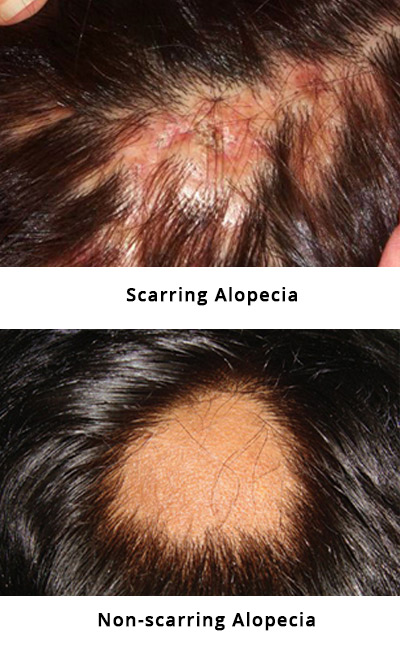
It is helpful to determine whether the hair loss is nonscarring (also called noncicatricial), which is reversible, or scarring (also called cicatricial), which is permanent. Scarring alopecia is rare and has various etiologies, including autoimmune diseases such as discoid lupus erythematosus. If the follicular orifices are absent, the alopecia is probably scarring; these patients should be referred to a dermatologist. This article will discuss approaches to nonscarring causes of alopecia. Hair loss is often distressing and can have a significant effect on the patient's quality of life.
Telogen effluvium is a type of temporary hair loss that occurs when a large number of hair follicles enter the resting phase of the hair growth cycle prematurely. It can affect people of any age and may come and go unpredictably. Although reducing your stress levels might seem insurmountable, making sure you’re eating the right things will go a long way to setting a good foundation for optimum hair growth. A healthy balanced diet is also important in stress reduction too as it can support a healthy immune system, repair damaged cells and even reduce elevated cortisol levels. Some studies suggest that telogen effluvium can also be connected to low levels of iron, so include iron-rich foods like leafy vegetables, lentils and liver where you can. If you like the idea of adding supplements to your routine, there are some which are specifically formulated to contain ingredients that increase hair thickness and health.
People of all skin tones and genders get alopecia areata. In alopecia areata, your immune system attacks your hair follicles, the structures from which hairs grow. When the follicles become smaller and stop producing hair, it leads to hair loss. Men and women get it equally, and it affects all racial and ethnic groups. The onset can be at any age, but most people get it in their teens, twenties, or thirties. When it occurs in children younger than age 10, it tends to be more extensive and progressive.

There were no significant incidence differences based on the NHS. Alopecia areata may begin in childhood or adulthood and can affect people of any ethnicity, sex, or age. Alopecia areata causes your hair to fall out in patches. The patches are usually small and round — about the size of a quarter — but the shape and amount of hair you lose may be bigger or smaller. Alopecia areata isn’t usually a serious medical condition, but it can cause a lot of anxiety and sadness.
These tend to be round in shape and about the size of a large coin. Often the person with it hasn't noticed it at all, particularly if they have long hair which is covering the bald patch. In most small patches of alopecia areata, the hair regrows within 6 to 12 months. Alopecia areata usually affects the head and face, though hair can be lost from any part of the body.
Topical minoxidil (Rogaine and generic)
The hair loss often first appears during childhood but how and when is different for everyone. The reason why Murray wears caps at school is because he has alopecia areata. “Certain chemicals found in shampoos, conditioners, hair dyes, and styling products can strip the hair of its natural oils, leading to dryness, breakage, and hair loss. “While not all women experience hair loss during menopause, those who do may find it distressing. “During menopause, hormonal changes, specifically a decrease in oestrogen levels, can affect hair growth cycles.
The hair loss can be patchy, or it can be over much or all of the body. Being gentle with your hair while it’s experiencing change is important so as not to exacerbate any thinning. It goes without saying that excessive heat and chemical treatments aren’t a good idea, but try and opt for protective hairstyles too.
This is the same treatment that is used for the common male pattern baldness. The success rate is not high but may be considered , particularly for more extensive bald patches that are not suitable for steroid injections. About 60% of people with alopecia areata experience the first episode of hair loss before age 20.
Once you develop this autoimmune condition, you may experience lifelong bouts of hair loss and other related symptoms. However, some people experience hair loss only once in their lifetime. Additionally, a condition called nivolumab-induced alopecia areata can occur in people who are being treated with the cancer drug nivolumab.
Even without treatment, 50% of them will spontaneously recover within a year,” Dr. Costello says. While developing patchy or complete hair loss can feel distressing, this hair loss is a good sign. It usually means that the cancer medication is working. If the hair loss bothers you, a board-certified dermatologist can treat it while you continue to receive nivolumab. In many cases, bald patches regrow by themselves without treatment. In particular, if there are just one or two small bald patches then many doctors would advise that it can be left alone at first.



No comments:
Post a Comment